


Haygor Insights / Advanced Coatings
Why Advanced Coatings Are Becoming More Important in Modern Manufacturing
When tools and components cost more, getting more life from them matters.
If you run a machine shop or maintain industrial equipment, you have probably felt it: a cutting tool wears out sooner than expected, a component starts losing performance, and replacing it again gets more expensive. That problem is especially relevant right now. U.S. cutting-tool shipments reached $278.1 million in July 2026, up 29% from July 2025, while industry reporting points to rising carbide-tool costs and continued pressure on raw-material pricing and supply.[1][2][3] When the parts and tools you depend on cost more, getting more useful life from them matters more.
The frustrating part is that the whole component may not actually be the problem. Often, the surface takes the beating from heat, friction, wear, or corrosion while the base component can still do its job.
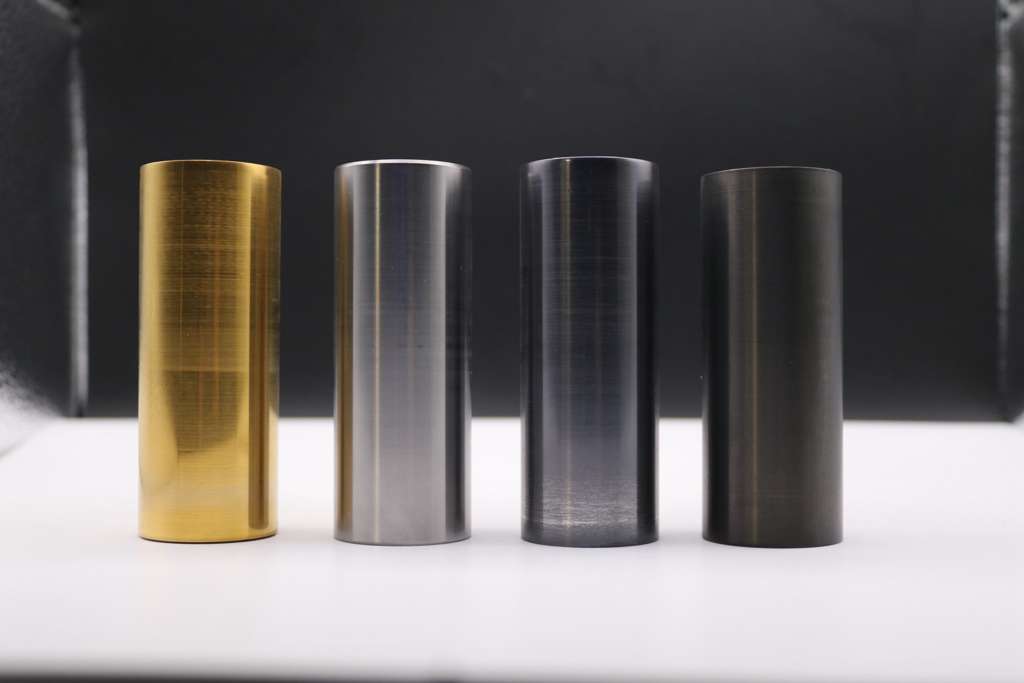
So before replacing the whole part, it is worth asking a different question:
What is causing the surface to fail?
That is where advanced coatings can make sense. A coating can engineer the working surface to better handle the condition causing the problem, helping protect the component without changing what already works underneath.
This is already happening across modern manufacturing. PVD coatings are being used on cutting tools for difficult-to-machine materials to improve thermal stability and tool life.[4] The idea is simple: protect the area that sees the abuse and match that protection to the problem.
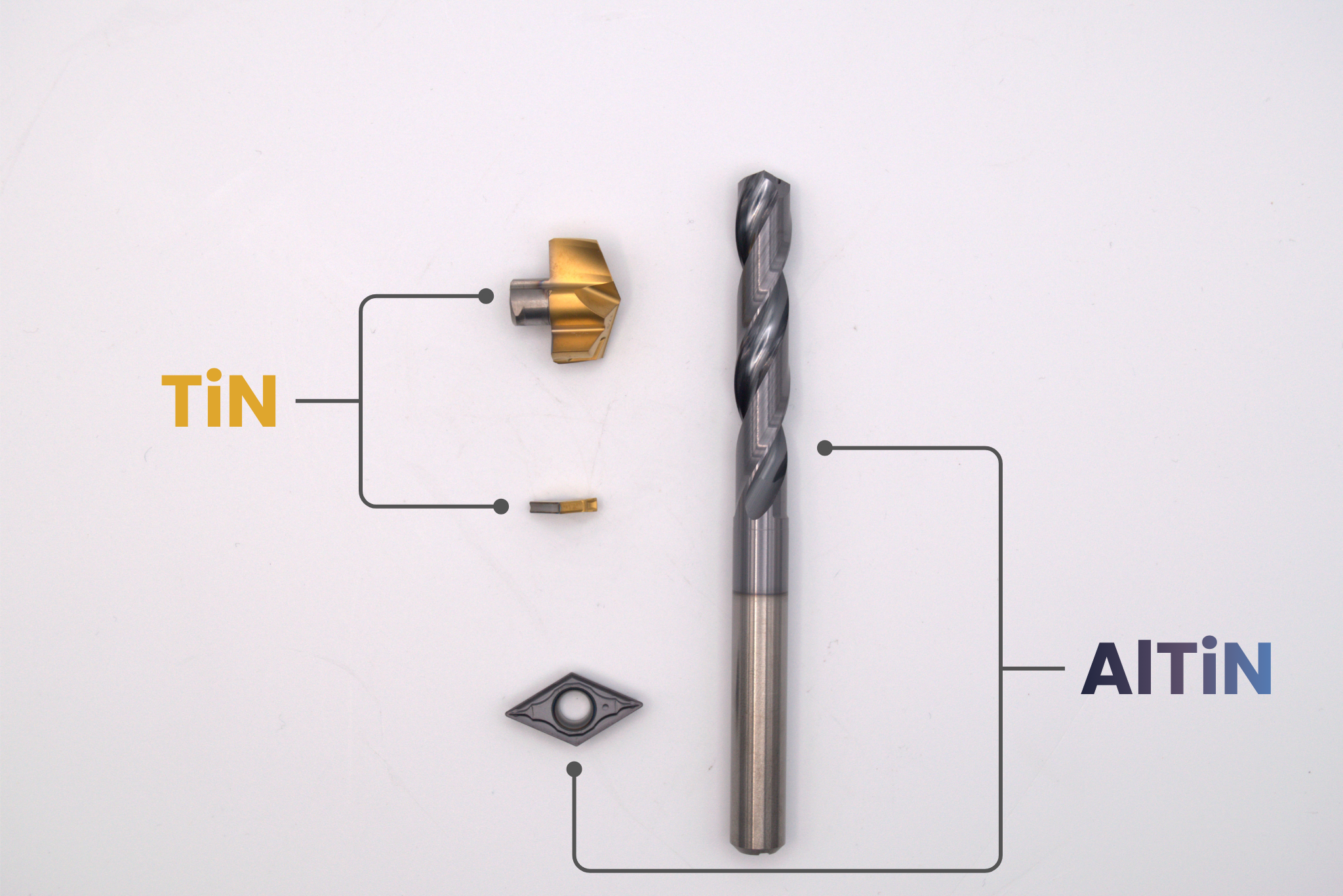
Wear / Heat / Friction / Corrosion
Match the coating to the problem
- Wear
- A harder surface helps components withstand repeated contact and abrasion. Haygor options include wear-focused coatings such as TiN and CrTiN.
- Heat
- High temperatures can accelerate wear and oxidation. Options such as AlTiN and TiXCo3 are designed for demanding high-temperature applications.
- Friction
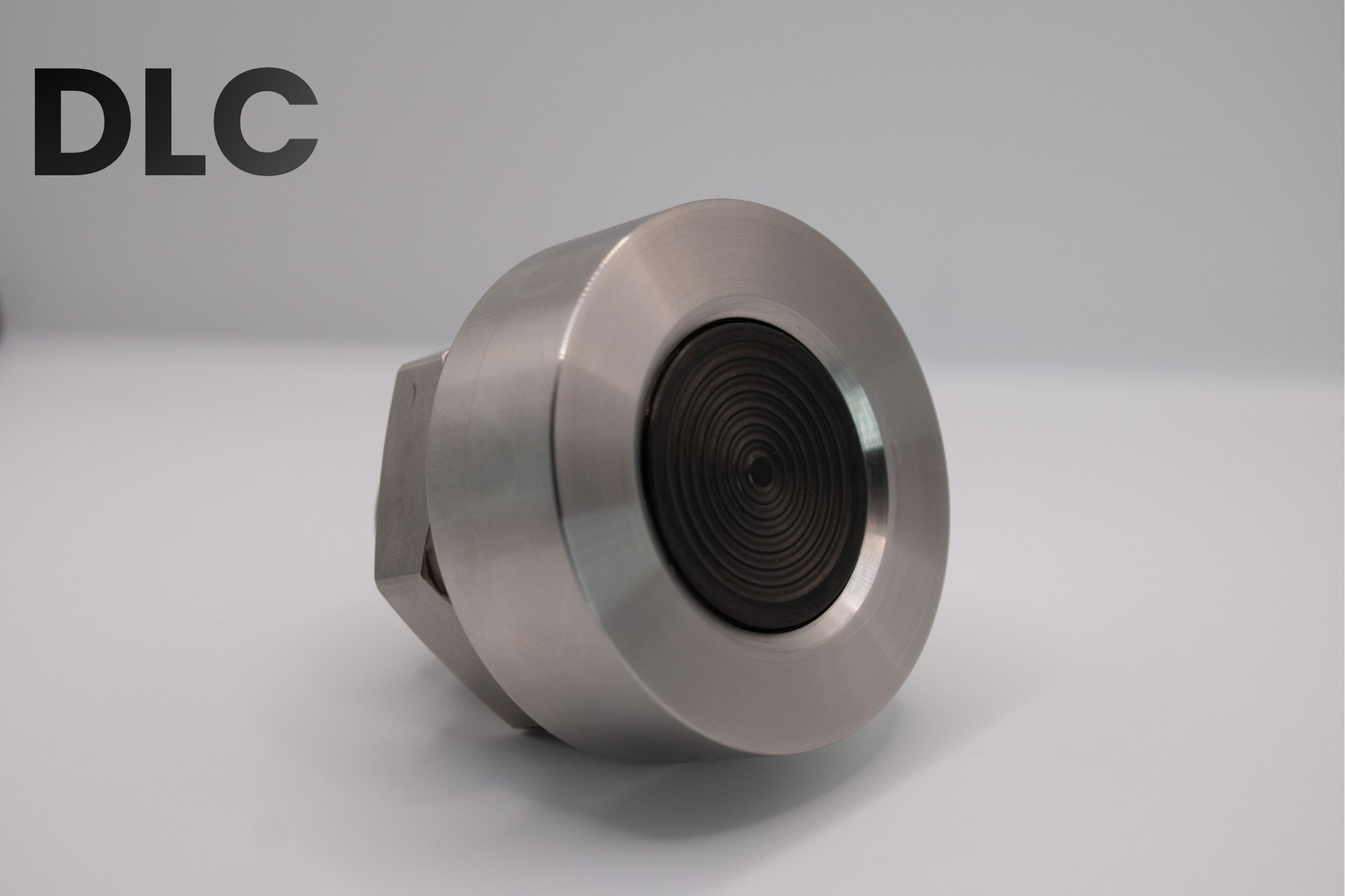
- When surfaces move against each other, friction creates heat and wear. DLC provides a low-friction surface and can be applied extremely thin - down to roughly one-third of a micron in Haygor applications.
- Corrosion
- When the environment attacks the surface chemically, a coating such as CrN can add corrosion resistance for appropriate applications.
The goal is not to coat everything
The goal is not to coat everything. It is to understand why a surface is struggling and choose a coating that fits. Temperature matters because some coatings are designed to stay stable under extreme heat while others are better suited to lower-temperature service. Substrate material matters because the coating must work with the material underneath it.
The wear mechanism matters too: abrasion, repeated contact, and other wear types affect the surface differently. Friction may call for a low-friction surface such as DLC, while chemical exposure can make corrosion resistance the bigger priority.
And ultimately, the application itself - how the part is used, what it touches, and the environment it operates in - brings all of those factors together.
The hardest coating is not automatically the right coating; the right coating matches the actual problem.
At Haygor, that is how we approach advanced coatings: start with the customer problem, understand what the component is being exposed to, and choose a surface solution that fits the application.
Talk with Haygor
Before replacing the component, look at what is actually causing it to fail.
The solution might only be microns thick. Talk to Haygor about your application and whether an advanced coating could help.
Sources
- [1] AMT / U.S. Cutting Tool Institute, Cutting Tool Market Report, July 2026: cutting-tool shipments totaled $278.1 million, up 29% year over year.
- [2] Cutting Tool Engineering, Sept. 22, 2026: industry commentary on double-digit carbide cost increases and continued manufacturing demand.
- [3] AMT, June 22, 2026: raw-material pricing and supply challenges; reported aerospace carbide-tool cost increases of 30%-50% over three months.
- [4] Cutting Tool Engineering, Aug. 24, 2026: PVD-coated carbide end mill for difficult-to-machine materials, citing thermal stability and improved tool life.