


Haygor Insights / Diaphragm Seal Systems
Everything You Need to Know About Diaphragm Seals
How diaphragm seals work, when to use them, and what to consider when selecting a system.
When it comes to precision instrumentation in demanding environments, the smallest component can make a major difference. One such component is the diaphragm seal, a critical part of many pressure measurement systems. To explain how diaphragm seals work, why they matter, and how Haygor approaches application challenges, I sat down with Stephen Tennis II for a discussion.
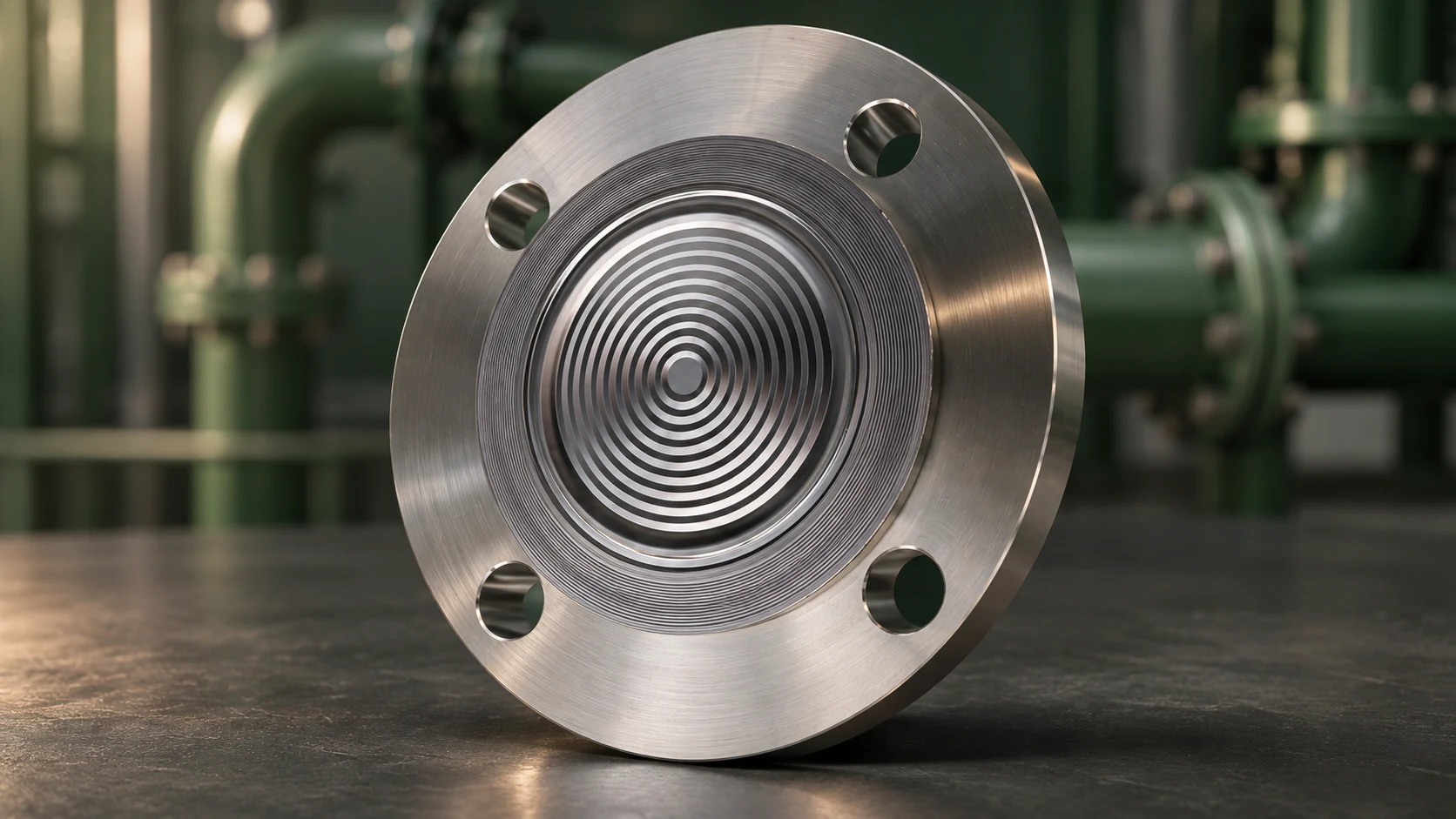
What Is a Diaphragm Seal?
A diaphragm seal acts as a protective barrier between a pressure instrument and the process media. As Stephen explained, the principle is similar to hydraulic brakes: when the process applies pressure to the diaphragm, a fill fluid transmits that pressure to the instrument without allowing the process media to contact the instrument’s internal sensing components.
This separation helps protect the instrument and supports reliable measurement when the complete seal system is selected for the application.
“It’s like stepping on your brakes. The force is transmitted without direct contact,” said Stephen. “It’s a way to keep the instrument safe and extend its life significantly.”
Why Use a Diaphragm Seal?
Several process conditions can shorten instrument life or complicate measurement. A properly specified diaphragm seal system can help address these challenges:
- Temperature. Process and ambient temperatures can affect measurement accuracy. Appropriate fill fluid, remote mounting, or additional thermal protection may be needed to keep the system within its operating limits.
- Chemical incompatibility. Process media may attack the instrument’s standard wetted materials. Diaphragm seals provide additional material and coating choices, including specialized alloys, gold plating, and PTFE coatings.
- Vibration and pulsation. Remote mounting can help separate an instrument from mechanical vibration. Pressure pulsation may also require dedicated damping or snubbing selected for the application.
- Crystallization. Media that solidify or crystallize can obstruct small instrument passages. An appropriate seal arrangement helps isolate those passages from the process.
- Clogging. Viscous liquids, slurries, and suspended solids can block small openings. Flush and other suitable seal configurations help address this problem.
- Sanitary requirements. Properly designed hygienic seal assemblies can reduce areas where product collects and support effective cleaning. Connection design, finish, installation, and applicable sanitary requirements still matter.
- Instrument access. Remote seals can allow an instrument to be positioned in a safer or more convenient location for reading and service.
When Should You Consider a Diaphragm Seal?
If your pressure instruments are failing prematurely, Stephen recommends examining the process conditions before continuing to replace the same equipment. Corrosion, buildup, temperature, and installation conditions can point to an application problem that a suitable diaphragm seal system may help resolve.
Haygor’s team can review those conditions and help develop a configuration around the instrument and the process.
What Sets Haygor Apart?
Haygor works with a range of instrument brands and configurations. That flexibility allows the team to:
- Configure diaphragm seals for pressure transmitters, gauges, switches, and controllers.
- Evaluate application-specific options such as Thermal Guardian and temperature-compensating seals.
- Support urgent requirements with lead times confirmed for the product and scope.
- Collaborate with OEMs, channel partners, and end users.
“We’re more than a diaphragm seal company—we’re an innovation engine,” said Stephen.
Cost Efficiency and Long-Term Value
Adding a diaphragm seal is an investment in the complete measurement system. Where process conditions are causing failures, the right configuration can deliver value through:
- Longer instrument life. Isolating the instrument from damaging media can reduce the need for repeated replacement.
- Improved service access. Suitable mounting arrangements can reduce exposure and make routine work more practical.
- Lower maintenance demands. Addressing the cause of corrosion or clogging can reduce recurring service work.
The actual benefit depends on the process, installation, and selected materials. Haygor can also discuss tooling and equipment support for customers developing their own on-site production capabilities.
Materials, Thicknesses, and Performance
Diaphragm material, diameter, thickness, fill fluid, and mounting arrangement all affect system performance. Haygor evaluates these choices together to suit the application’s pressure range, temperature, response requirements, and chemical compatibility.
Options discussed with customers include:
- Diaphragm thickness and geometry selected for the required sensitivity, durability, and service conditions.
- Gold-plated diaphragms for appropriate hydrogen-service applications.
- PTFE coatings for suitable non-stick and chemically resistant applications.
Material and coating selection should follow a review of the actual process. A thicker diaphragm alone does not establish chemical compatibility.
Industries Served
Diaphragm seals support measurement in a wide range of industries, including:
- Downstream oil and gas, including refining.
- Food and beverage.
- Chemical processing.
- Pulp and paper.
- Hydrogen and other specialty applications, including cannabis processing and nuclear-sector requirements where appropriate qualification is established.
Customization and Support
Haygor supports seal selection through application discussions, inside sales guidance, and consultation. The team reviews the instrument, process media, pressure, temperature, installation, and operating goals to develop a practical solution.
Repairs and Warranties
Many diaphragm seal assemblies can be evaluated for repair or rebuilding. Where repair is practical, it can reduce replacement costs and return a suitable instrument to service.
Ask Haygor about the applicable repair scope, calibration documentation, and standard or extended warranty options for your assembly.
Final Thoughts
Diaphragm seals play an essential role in protecting pressure instrumentation from challenging process conditions. Selecting the complete system carefully helps support instrument performance, service life, and reliable measurement.
“We're here to help, whether it’s training, engineering, or just giving honest advice. That’s what makes us different,” Stephen concluded.
Talk with Haygor
Start with the process. Build the right seal system.
Share your instrument, process media, pressure range, temperature, and installation requirements. Haygor can help evaluate a diaphragm seal configuration for your application.