
Manufacturing and Fabrication
Produce, restore, and adapt industrial instrumentation components through application-driven machining, dimensional control, material selection, and coordinated downstream service.
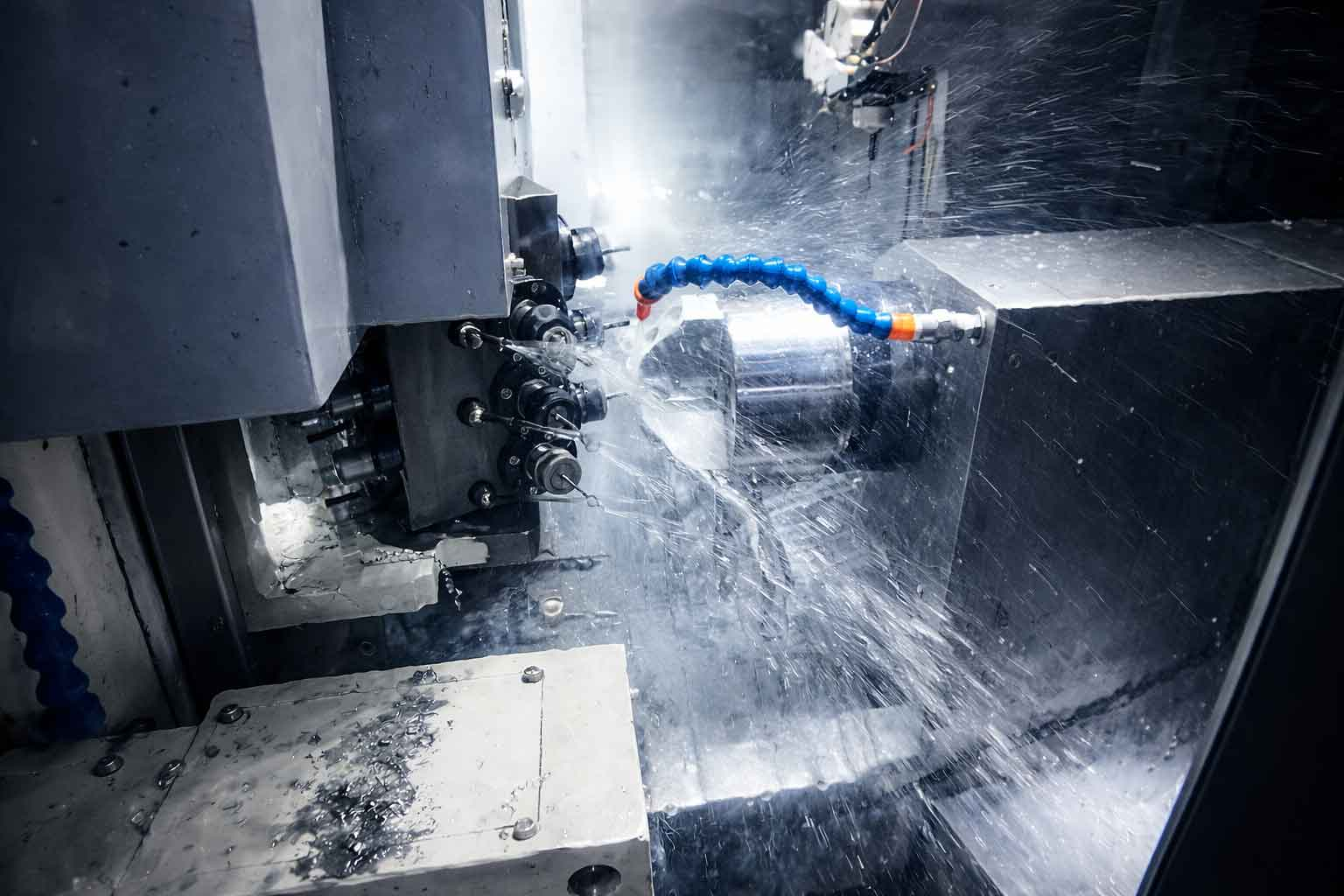
Custom component work begins with the requirement—not the machine.
Haygor’s manufacturing and fabrication capabilities support diaphragm seals, instrument assemblies, replacement parts, valve and actuator hardware, prototypes, repair components, and specialized industrial applications. The process starts with function, fit, materials, service conditions, tolerances, interfaces, inspection, and quantity.
Depending on the job, Haygor can route work through CNC machining, manual lathe and mill machining, component repair, dimensional reproduction, assembly, welding or joining support, surface treatment, critical-service cleaning, coatings, calibration, and final testing. The exact scope is confirmed from current drawings, samples, customer specifications, and available technical evidence.
Choose the manufacturing path from geometry, quantity, tolerance, and application.
The current staging hierarchy includes three dedicated manufacturing child pages, supported by Haygor’s broader repair, cleaning, coating, and calibration services.
CNC Machining
Program repeatable turning and milling operations for defined digital geometry, controlled features, and short or recurring production.
View CNC machiningManual Lathe & Mill
Support one-offs, repair work, direct-fit modifications, prototypes, and parts best handled through skilled manual machining.
View manual machiningValve & Actuator Parts
Evaluate custom and replacement stems, shafts, bushings, spacers, brackets, couplings, adapters, and related hardware.
View valve partsDiaphragm-Seal Components
Coordinate process connections, bodies, flanges, rings, diaphragms, capillary interfaces, and custom configurations.
Repair & Reverse Engineering
Inspect damaged or obsolete components and determine whether a controlled repair or replacement-part route is practical.
Finish & Support Services
Add cleaning, passivation, coatings, assembly, filling, calibration, leak testing, or documentation as required.
Translate the field requirement into a controlled production route.
A strong manufacturing scope controls the technical basis before material is cut.
Define function & service
Identify load, pressure, temperature, media, environment, safety role, interfaces, and failure history.
Establish the technical basis
Review approved drawings, models, samples, OEM data, tolerances, GD&T, and change authority.
Select material & route
Confirm material specification, condition, traceability, blank size, heat treatment, and manufacturing method.
Machine or fabricate
Create the component using the approved CNC, manual, welding, forming, or assembly sequence.
Inspect & qualify
Verify dimensions, threads, surfaces, material records, NDT, pressure, fit, or function as specified.
Finish & release
Complete cleaning, passivation, coating, assembly, calibration, documentation, packaging, and delivery.
Information that turns a concept or sample into a manufacturable scope.
Dimensional reproduction is only one part of replacement-component engineering; function, material, interfaces, and risk also matter.
Wear, corrosion, deformation, prior repair, coating thickness, and undocumented field modification can distort the original geometry. Haygor should confirm functional dimensions and customer approval before reproducing a critical or safety-related component.
- Current drawing, CAD model, sketch, sample, revision, photographs, mating-component data, and quantity
- Component function, loads, pressure, temperature, process media, vibration, corrosion, and environment
- Material grade, condition, heat treatment, coating, hardness, traceability, and substitution restrictions
- Critical dimensions, GD&T, threads, surface finish, fits, sealing features, and inspection requirements
- Repair, modification, prototype, first-article, production, spare-part, and change-control expectations
- Welding, cleaning, passivation, coating, assembly, pressure test, calibration, documentation, and schedule
Build the complete Haygor service route.
Connect this service with related cleaning, machining, repair, calibration, coating, or assembly work when the application requires a broader scope.
Send the drawing or sample, application, material, tolerance, and quantity.
Haygor can define the manufacturing route, inspection, downstream services, documentation, and release condition.